Scenario Guide
Flooding: Before, During, and After
Floods are among the most common and dangerous natural disasters. Knowing what to do before water rises is what keeps households safe.
Safety NoteFor flood evacuation, follow local emergency management orders. Never drive through flooded roads. The National Weather Service (weather.gov) issues flood watches and warnings. For flood insurance information, visit FEMA.gov. Floodwater cleanup requires protective equipment — consult CDC flood cleanup guidelines.
Before: Prepare Now
- Know your flood zone (FEMA flood maps available at msc.fema.gov)
- Consider flood insurance if in a flood-prone area
- Store important documents and valuables above the likely flood level
- Know your two evacuation routes — floods can block roads quickly
- Have go-bags ready at all times in flood-prone areas
- Waterproof all document storage
During: What to Do
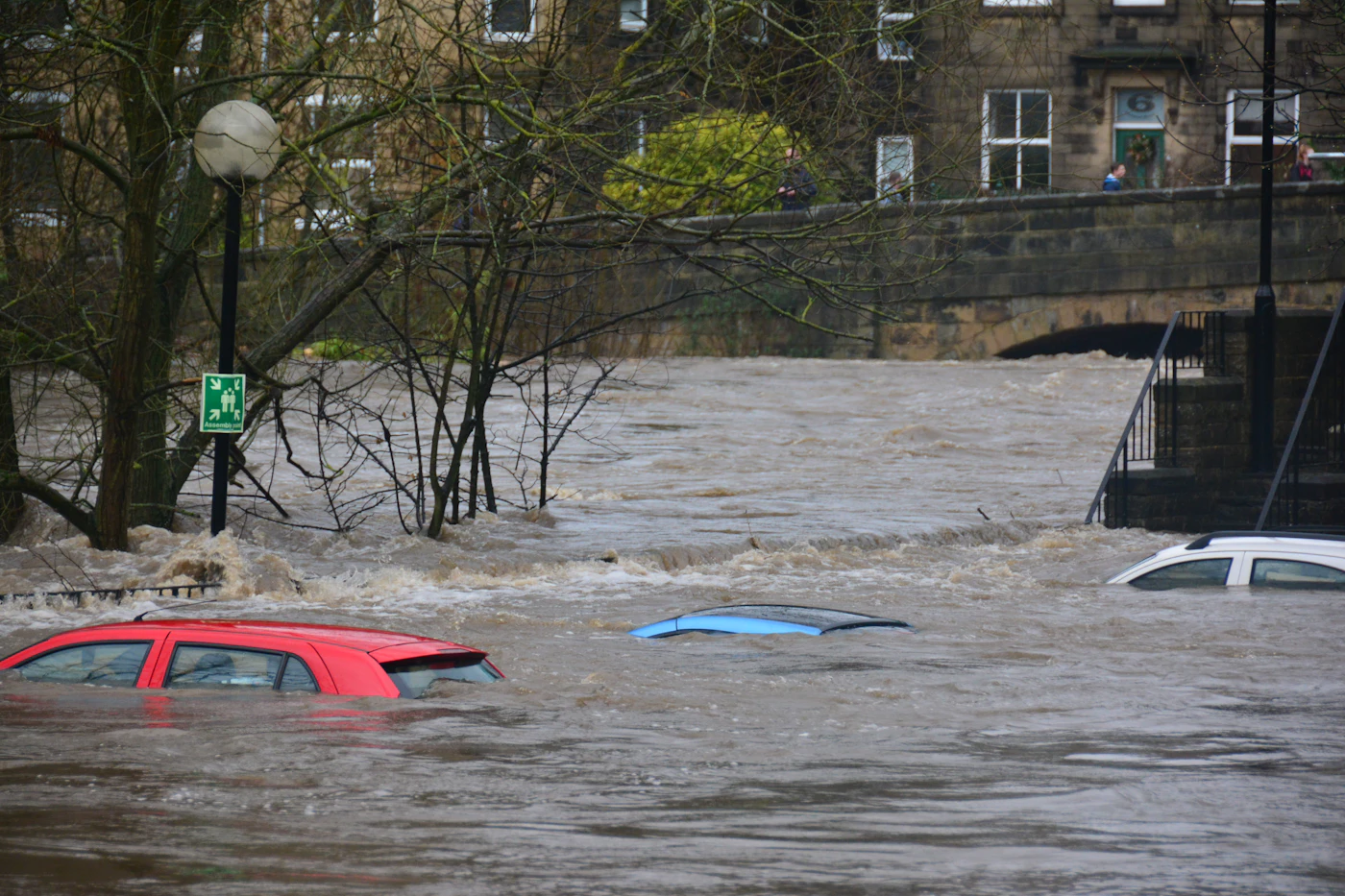
- Never drive or walk through moving floodwater — even 6 inches of moving water can knock a person down; 12 inches can float a vehicle
- If ordered to evacuate, leave immediately — do not wait to see how bad it gets
- Move to higher ground if in a flash flood situation
- Turn off utilities at main breakers if instructed
- Avoid contact with floodwater — it may contain sewage and hazardous materials
After: Recovery
- Do not return home until authorities say it is safe
- Document all damage with photos before cleanup
- Wear protective gear during flood cleanup — waterborne pathogens are a real risk
- Do not use electrical appliances that were submerged until cleared by an electrician
- Contact insurance provider to begin claims process
- Discard any food that came into contact with floodwater